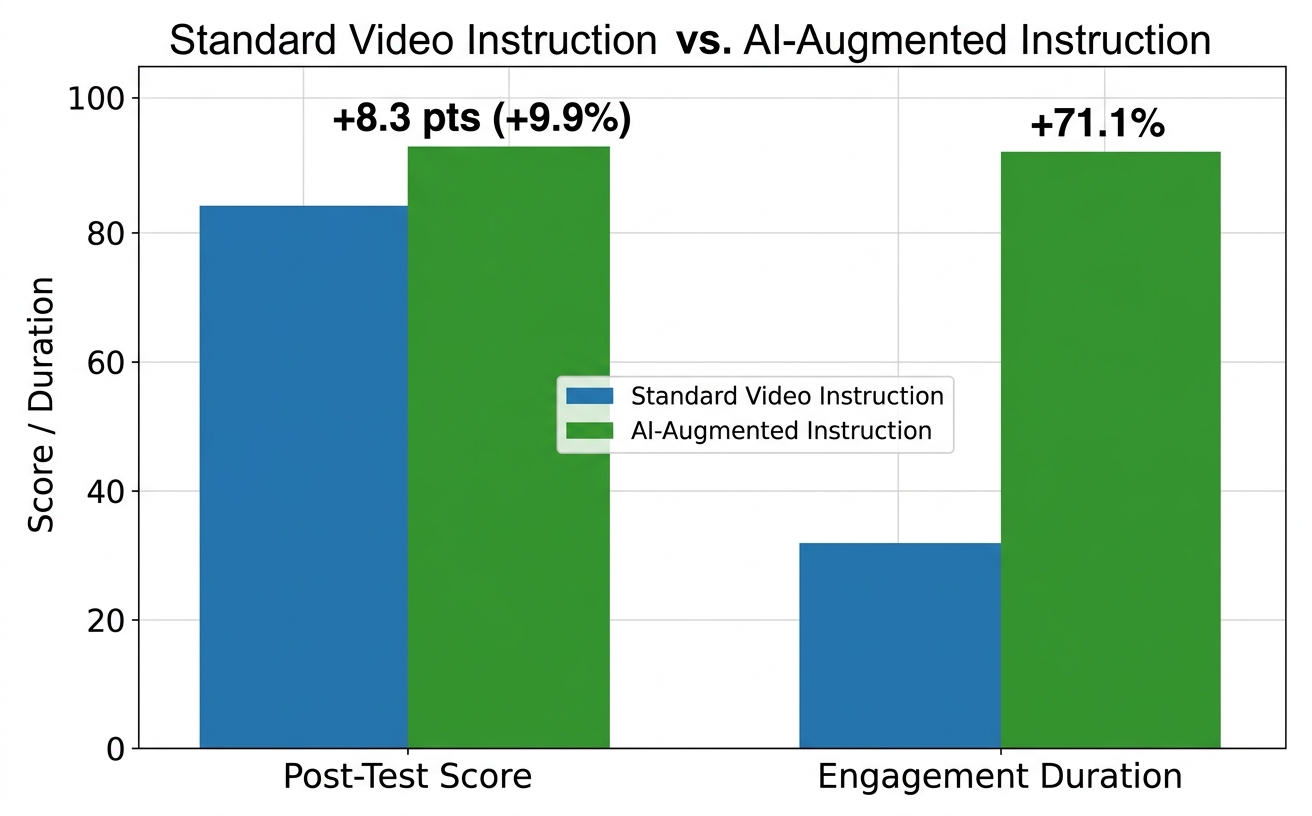
Beyond Passive Viewing: A Hybrid Learning Platform Augmenting Video Lectures with Conversational AI
Mohammed Abraar, Raj Dandekar, Rajat Dandekar, Sreedath Panat
AI EducationNLPConversational AI
Accepted atTeachNLP Workshop · 2026
Work on impactful ML/DL research. Present at top-tier conferences. Publish impactful research papers. Build neural networks from scratch using Python, NumPy, and scikit-learn.
Instructors from


Research from our cohorts has been accepted, presented, and archived across leading venues in machine learning, scientific computing, and applied AI.





ML and Deep Learning are the foundation of modern AI. Understanding these algorithms from scratch is the key differentiator for researchers and engineers in 2024-2026.
Projected ML market by 2030, up from ~$55-75B in 2024 (CAGR above 30%), with foundational ML skills in unprecedented demand.
Market Research ›PyTorch and scikit-learn remain the standard tools for ML research and production, powering models from startups to Fortune 500 companies.
PyTorch ›Engineers who implement algorithms from scratch consistently outperform those who only use high-level APIs, according to hiring managers at top tech companies.
ML Engineering ›Companies like Google, Amazon, and Meta have thousands of ML engineer positions, with strong demand for candidates who understand algorithms at a fundamental level.
LinkedIn ML Jobs ›We teach three interconnected objectives that take you from Python fundamentals to building and training neural networks from scratch. Each builds on the previous, creating a rigorous foundation for ML research.
Start with Python fundamentals tailored for machine learning: variables, data types, matrix multiplication from scratch, object-oriented programming, and data visualization with Matplotlib, Seaborn, and Plotly. Build a solid coding foundation using NumPy and Pandas.
Master the core algorithms that power modern ML: linear classifiers, the perceptron, logistic regression with cross-entropy loss, gradient descent optimization, L1/L2 regularization, and decision trees with Gini impurity. Build every algorithm from scratch before using scikit-learn.
Build neural networks layer by layer using only NumPy: code neurons, forward passes, activation functions, cross-entropy loss, and full backpropagation. Master optimizers (SGD, RMSProp, Adam), regularization (dropout, K-fold CV), and train on real datasets like MNIST Fashion and California Housing.
Understand gradient descent at a deep mathematical level: the chain rule, matrix gradients, and how weights are updated during backpropagation. Learn to diagnose overfitting, apply regularization strategies, and build complete training pipelines.
Each module includes hands-on projects and interview-oriented recaps. Build classifiers, regression models, decision trees, and neural networks on real datasets. The bootcamp is designed to prepare you for both research and industry ML roles.
Work on industry-level ML/DL research projects aimed at publication. Learn to formulate research problems, design experiments, validate hypotheses, and write scientific papers for conferences and journals.
Publication-quality diagrams illustrating the core algorithms and architectures you will master in this bootcamp.
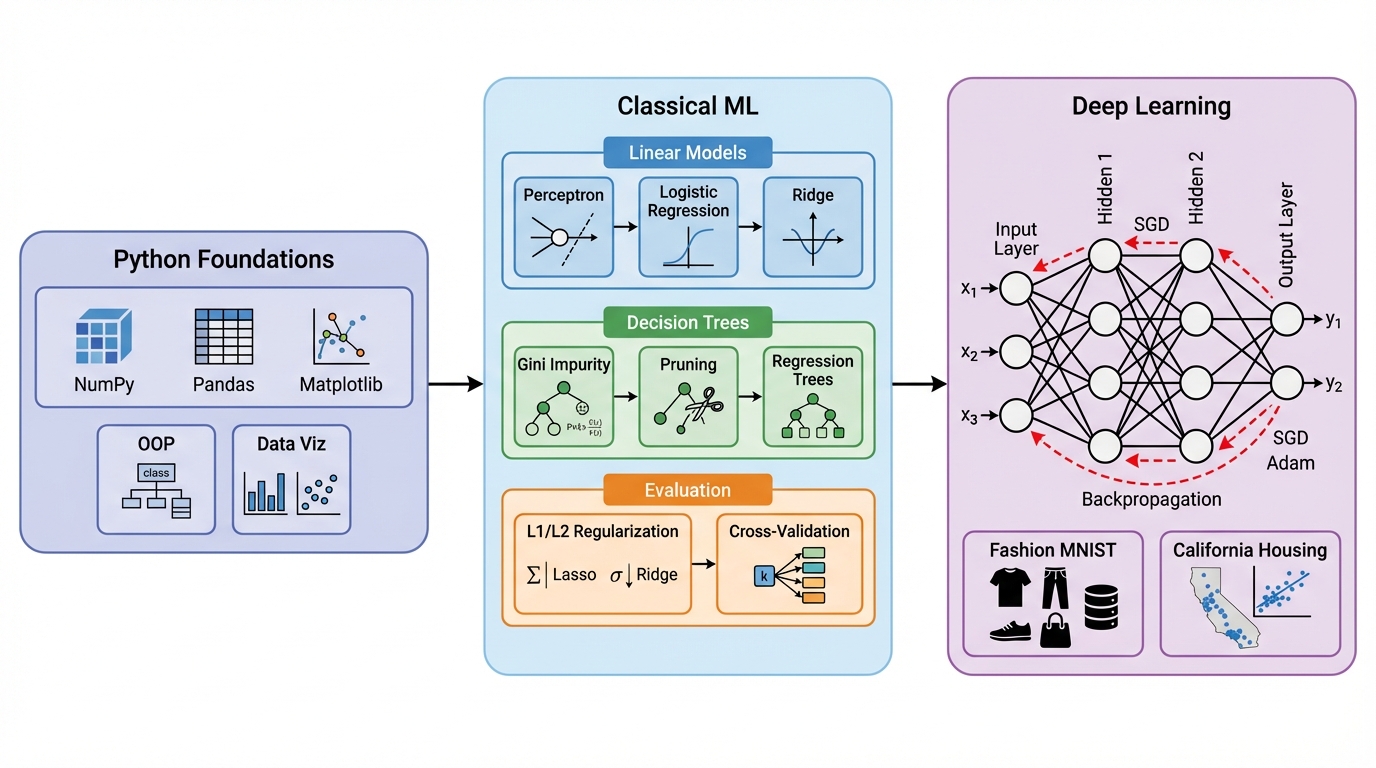
A high-level overview of the bootcamp curriculum: from Python foundations and data visualization, through classical ML algorithms (regression, decision trees), to building neural networks from scratch with backpropagation and optimizers.
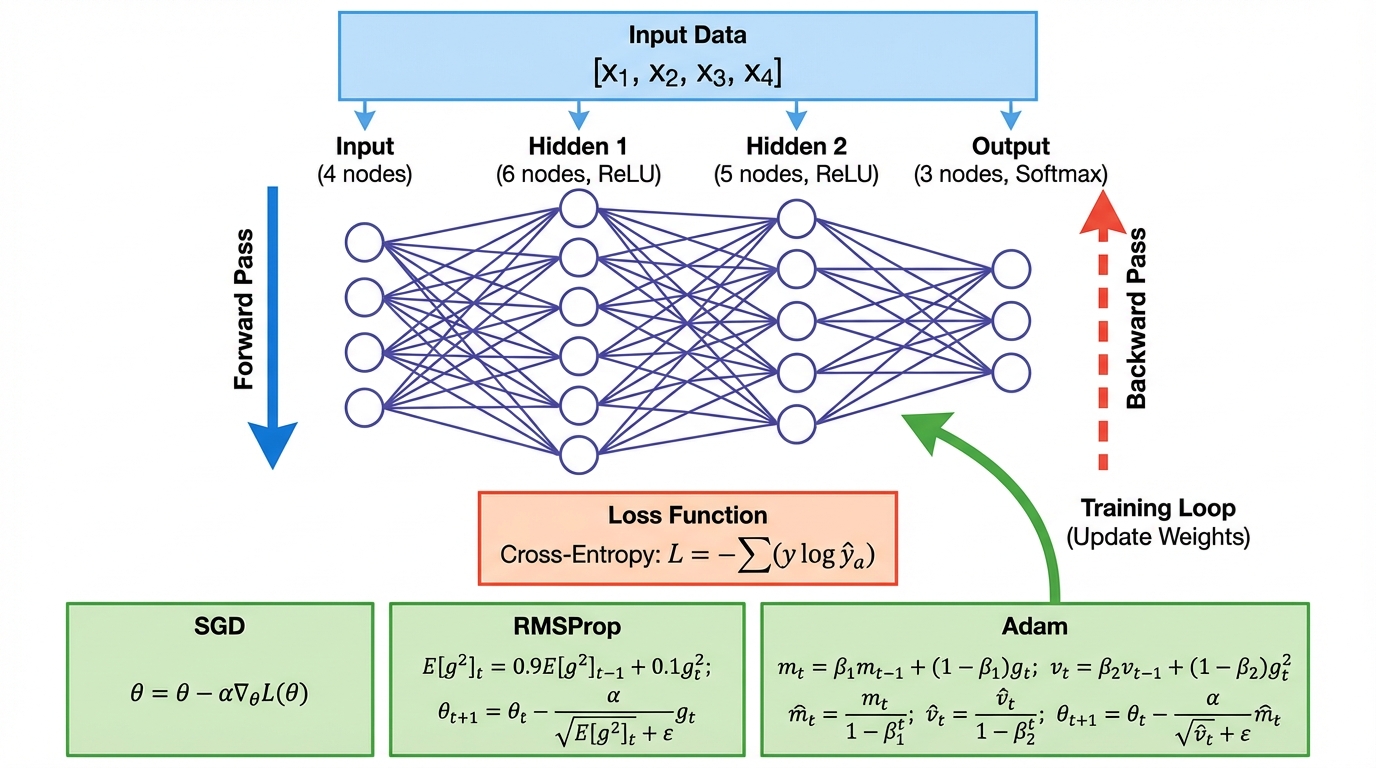
The complete training loop: forward pass through multiple layers with activation functions, cross-entropy loss computation, backward pass with gradient propagation via the chain rule, and weight updates using SGD, RMSProp, or Adam optimizers.
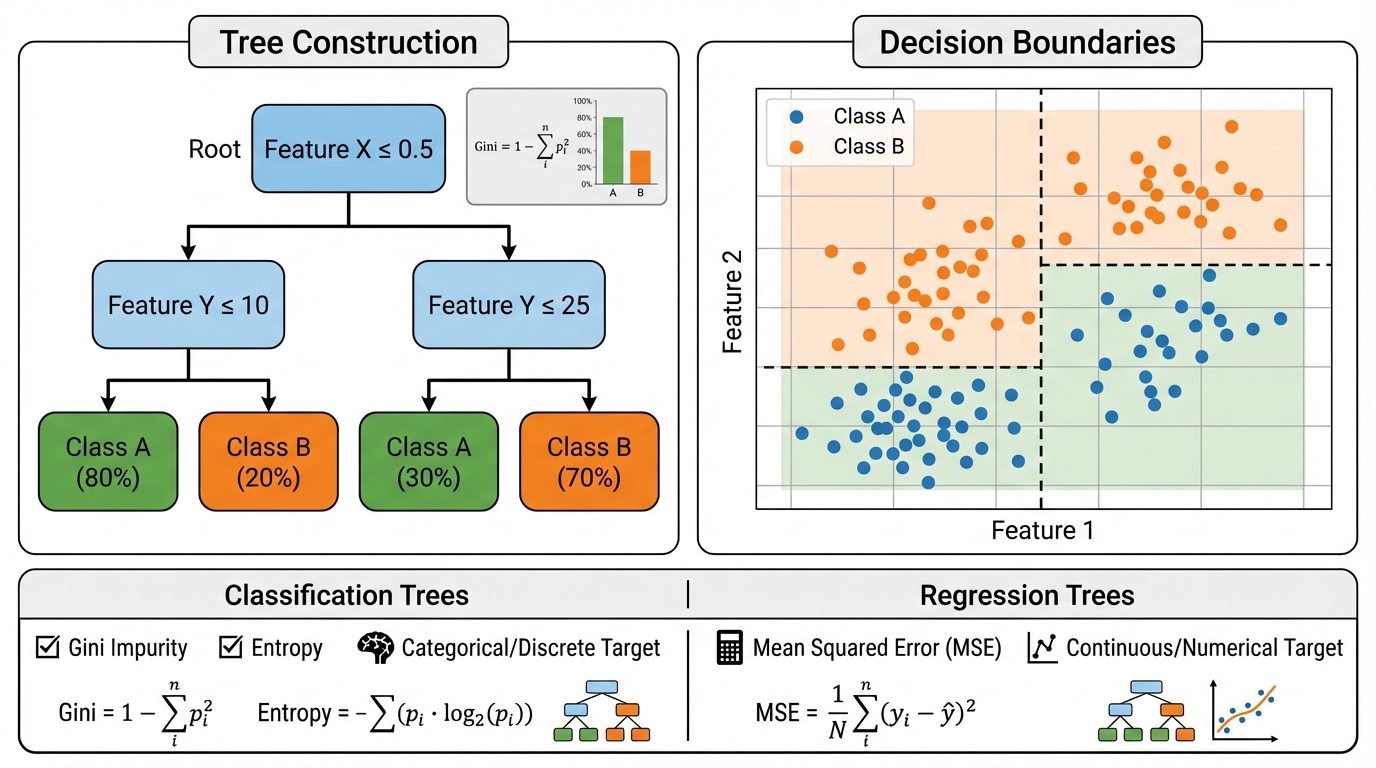
Decision tree construction using Gini impurity for feature selection, recursive binary splitting, pruning strategies, and the resulting rectangular decision boundaries for classification and regression tasks.
Whether you are new to programming or an experienced developer looking to build a rigorous ML foundation, this bootcamp teaches you to implement every algorithm from scratch before using libraries.
Undergraduate and graduate students who want a rigorous, ground-up understanding of machine learning and deep learning. No prior ML experience required: we start from Python basics.
Developers looking to transition into ML/AI roles. Build every algorithm from scratch before using frameworks, giving you the deep understanding that separates ML engineers from API callers.
Analysts and data practitioners who use ML libraries but want to understand what happens under the hood. Master the mathematics and implementation behind regression, trees, and neural networks.
Students aiming for graduate programs or research careers in AI. The research project component and publication pathway strengthen applications to top PhD programs.
30 topics across 6 weeks, covering Python foundations, machine learning algorithms, and deep learning from scratch. Phase 1 (Weeks 1 through 6) is entirely self-paced: all lectures are pre-recorded and available for lifetime access, so you learn at your own speed.
Led by
Led by
Led by
Led by
Led by
Led by
Led by
Led by
Led by
Led by
Led by
Led by
Led by
Led by
Led by
Led by
Led by
Led by
Led by
Led by
Led by
Led by
Led by
Led by
Led by
Led by
Led by
Led by
Led by
Led by
Everything you need to go from ML beginner to building neural networks from scratch and publishing research.
Production-ready Python code for every session, including from-scratch implementations of every algorithm: regression, decision trees, and neural networks.
Lifetime access to all session recordings and comprehensive lecture notes covering every ML and DL concept from Python basics to neural networks.
Industry-level ML/DL projects including neural network classifiers, regression models, and decision tree systems ready for your portfolio or publication.
Join the Vizuara ML-DL community on Discord for ongoing collaboration, doubt clearance, and research partnerships.
Our instructors are co-founders of Vizuara AI Labs and published researchers in Machine Learning and Deep Learning, with expertise spanning neural networks, optimization, and applied ML.
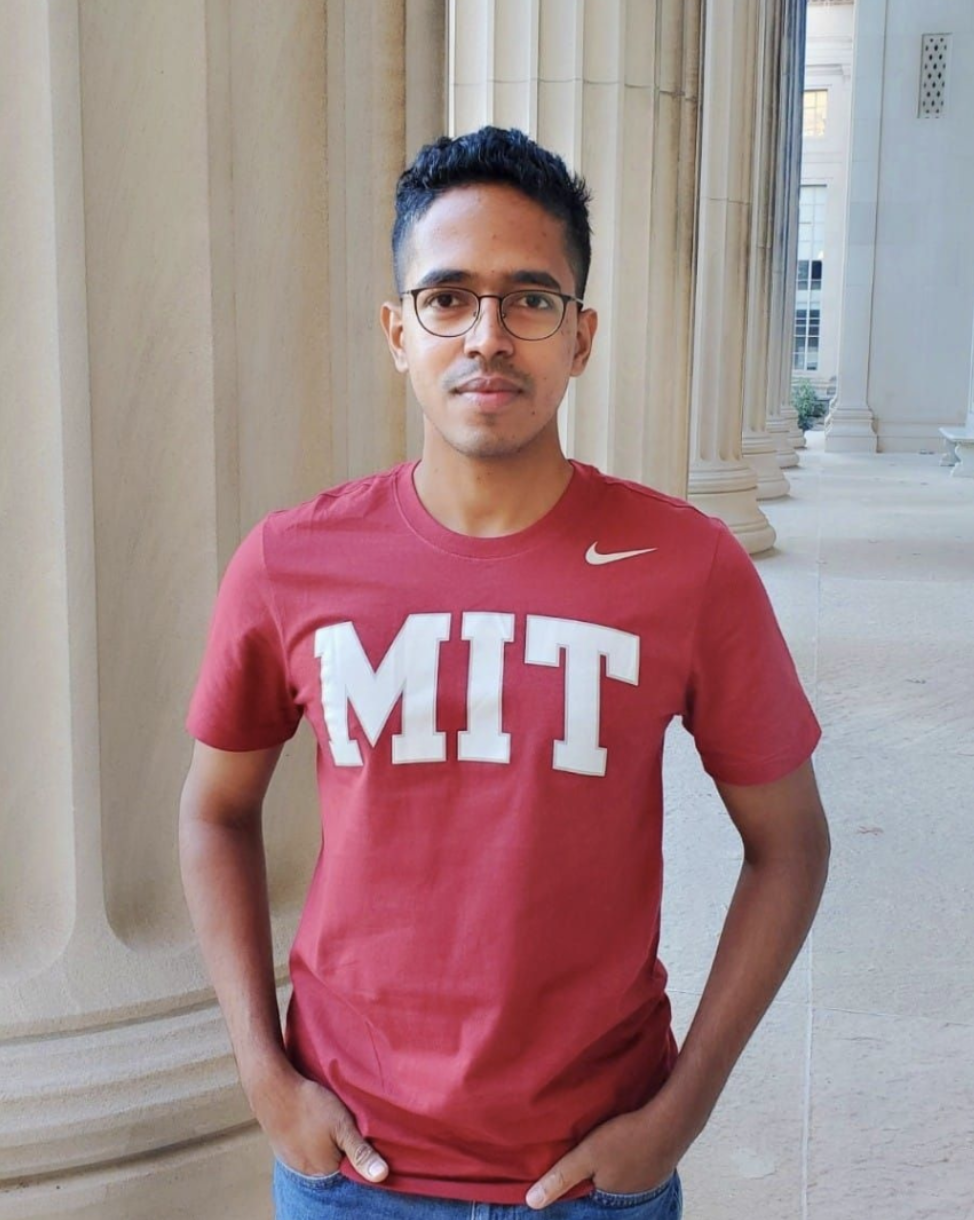
Co-founder, Vizuara AI Labs
PhD from MIT, B.Tech from IIT Madras. 10+ years of research experience. Dr. Panat brings deep technical expertise from both academia and industry to make complex AI concepts accessible and practical.
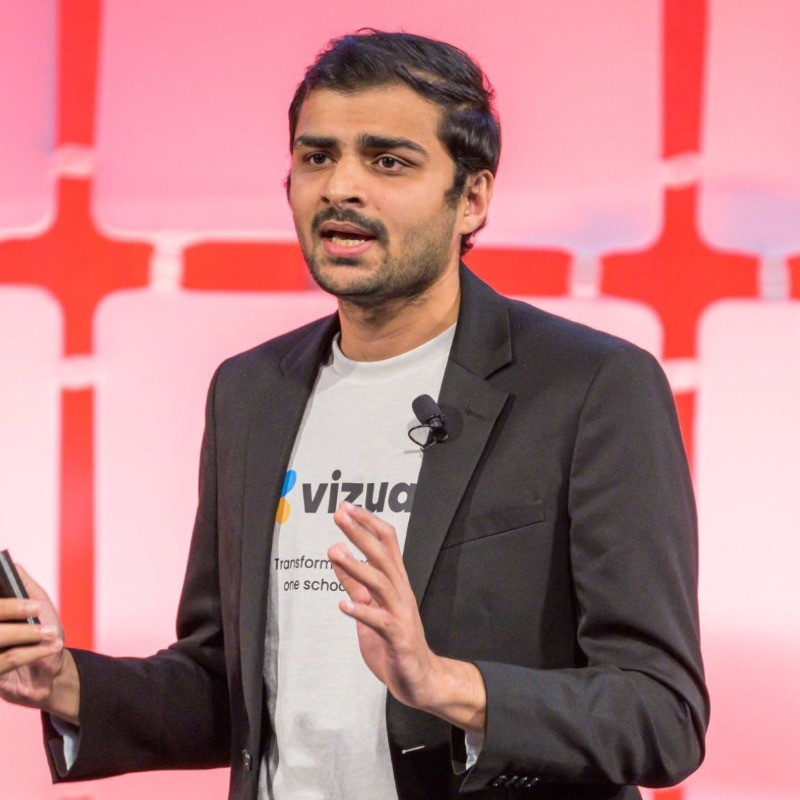
Co-founder, Vizuara AI Labs
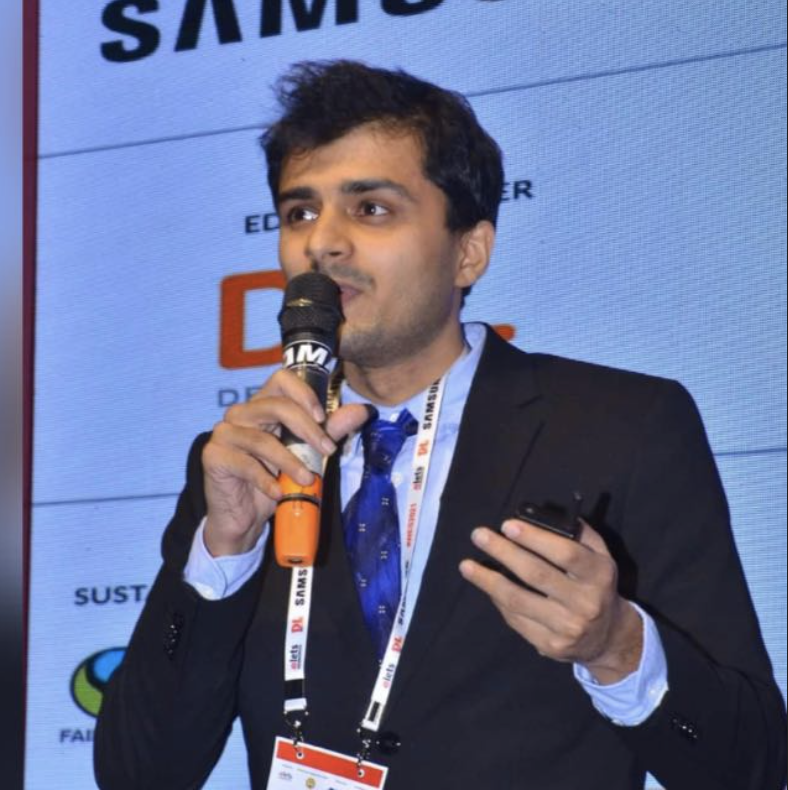
PhD from MIT, B.Tech from IIT Madras. Dr. Raj specializes in building LLMs from scratch, including DeepSeek-style architectures. His expertise spans AI agents, scientific machine learning, and end-to-end model development.
Co-founder, Vizuara AI Labs
PhD from Purdue University, B.Tech and M.Tech from IIT Madras. Dr. Rajat brings deep expertise in reinforcement learning and reasoning models, focusing on advanced AI techniques for real-world applications.
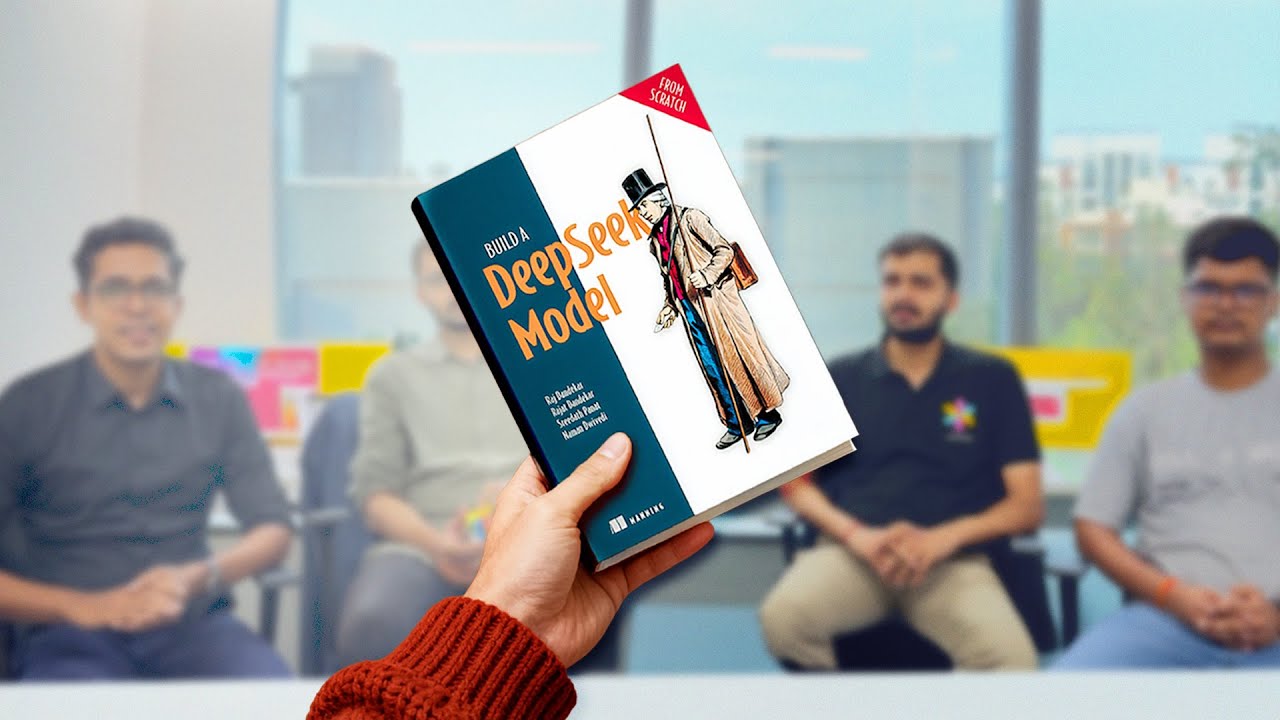
Manning #1 Best-Seller
Build a DeepSeek Model (From Scratch)
By Dr. Raj Dandekar, Dr. Rajat Dandekar, Dr. Sreedath Panat & Naman Dwivedi
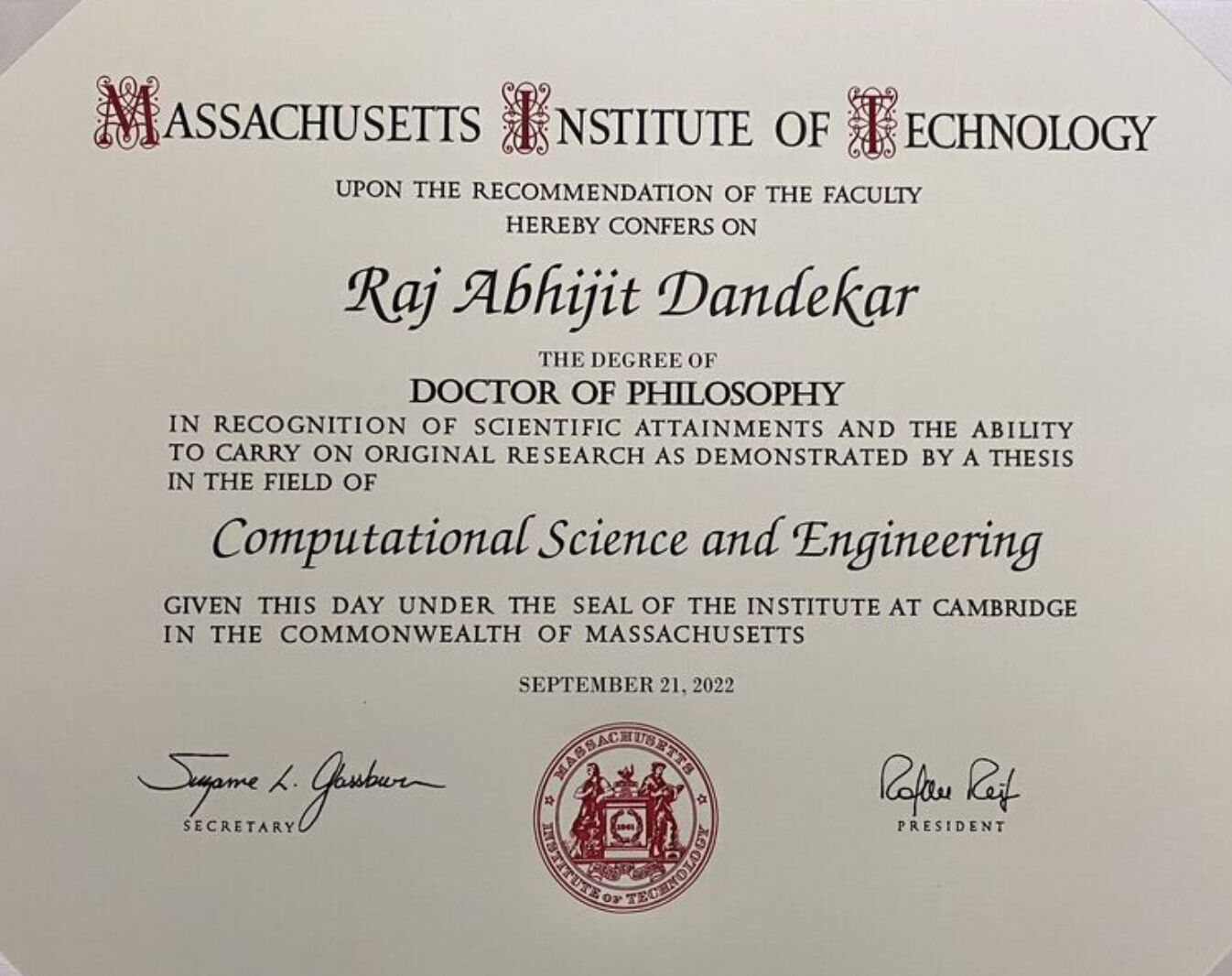
Our lead instructor Dr. Sreedath Panat holds a PhD from MIT, where he conducted research in applied AI and scientific computing. Our team brings deep expertise in machine learning, neural networks, and applied AI research.
A selected few papers from our research over the past years. Students in the Industry Professional plan work on similar projects aimed at publication.
Mohammed Abraar, Raj Dandekar, Rajat Dandekar, Sreedath Panat
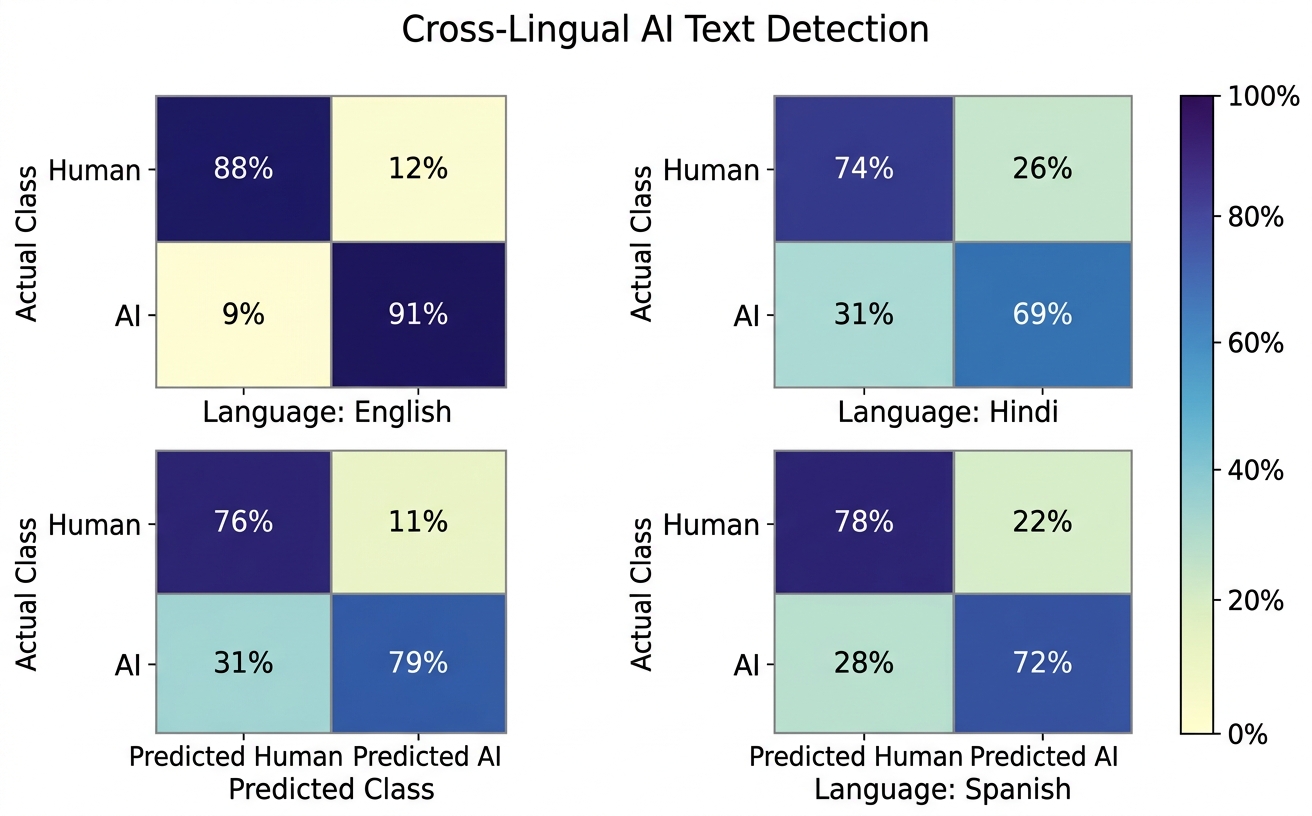
Pranamya Nilesh Deshpande, Raj Dandekar, Rajat Dandekar, Sreedath Panat
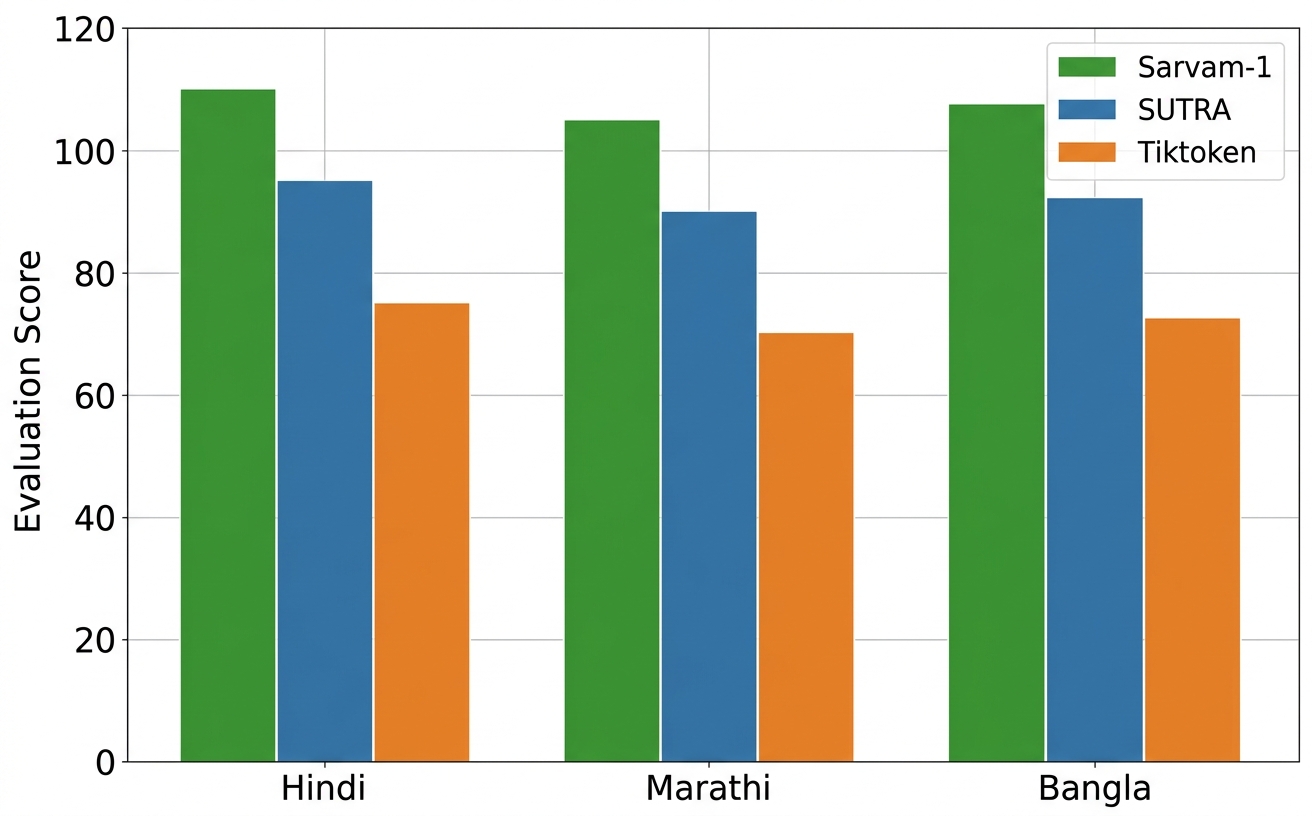
Nirvan Patil, Malhar Abhay Inamdar, Agnivo Gosai, Guruprasad Pathak, Anish Joshi, Anish Joshirao, Raj Dandekar, Rajat Dandekar, Sreedath Panat
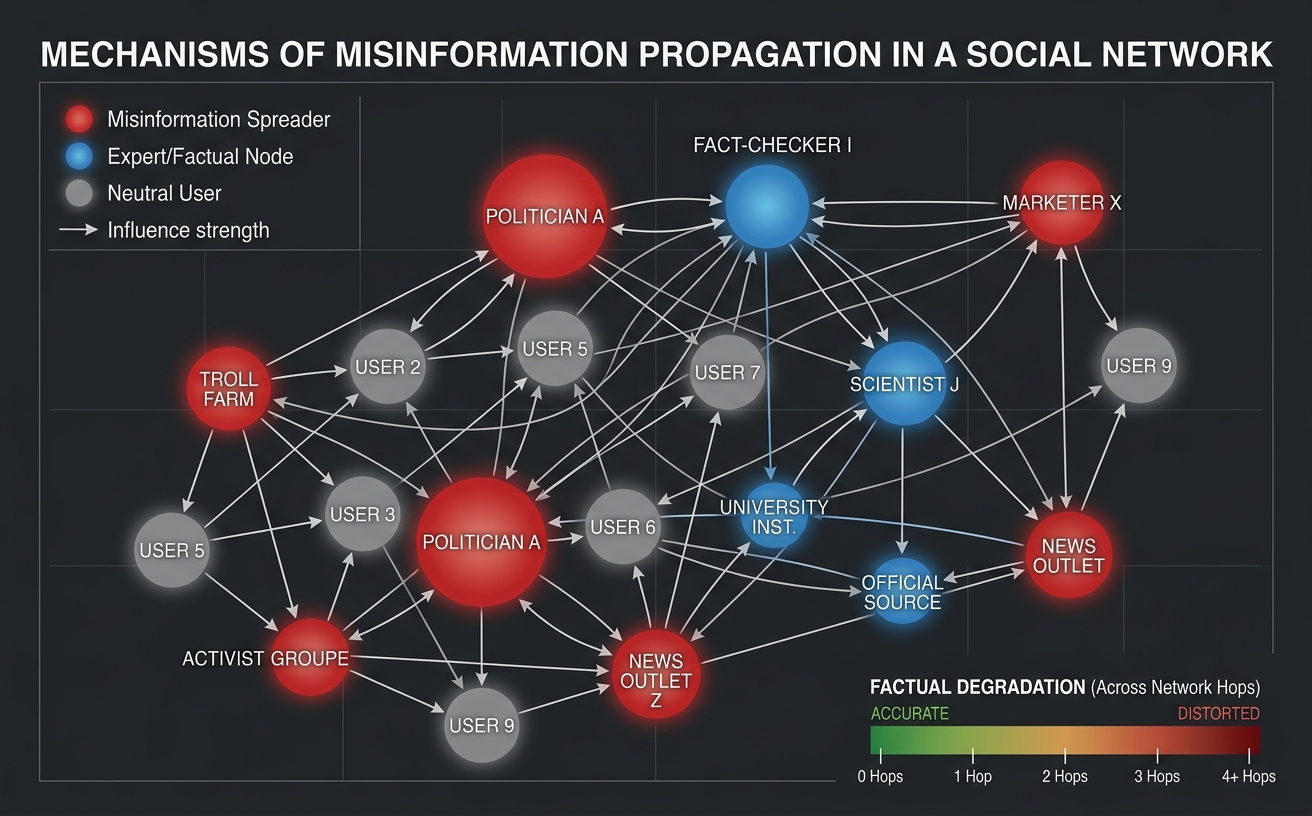 Outstanding Paper Award at ACM CIKM 25
Raj Gaurav Maurya, Vaibhav Shukla, Raj Abhijit Dandekar, Rajat Dandekar, Sreedath Panat
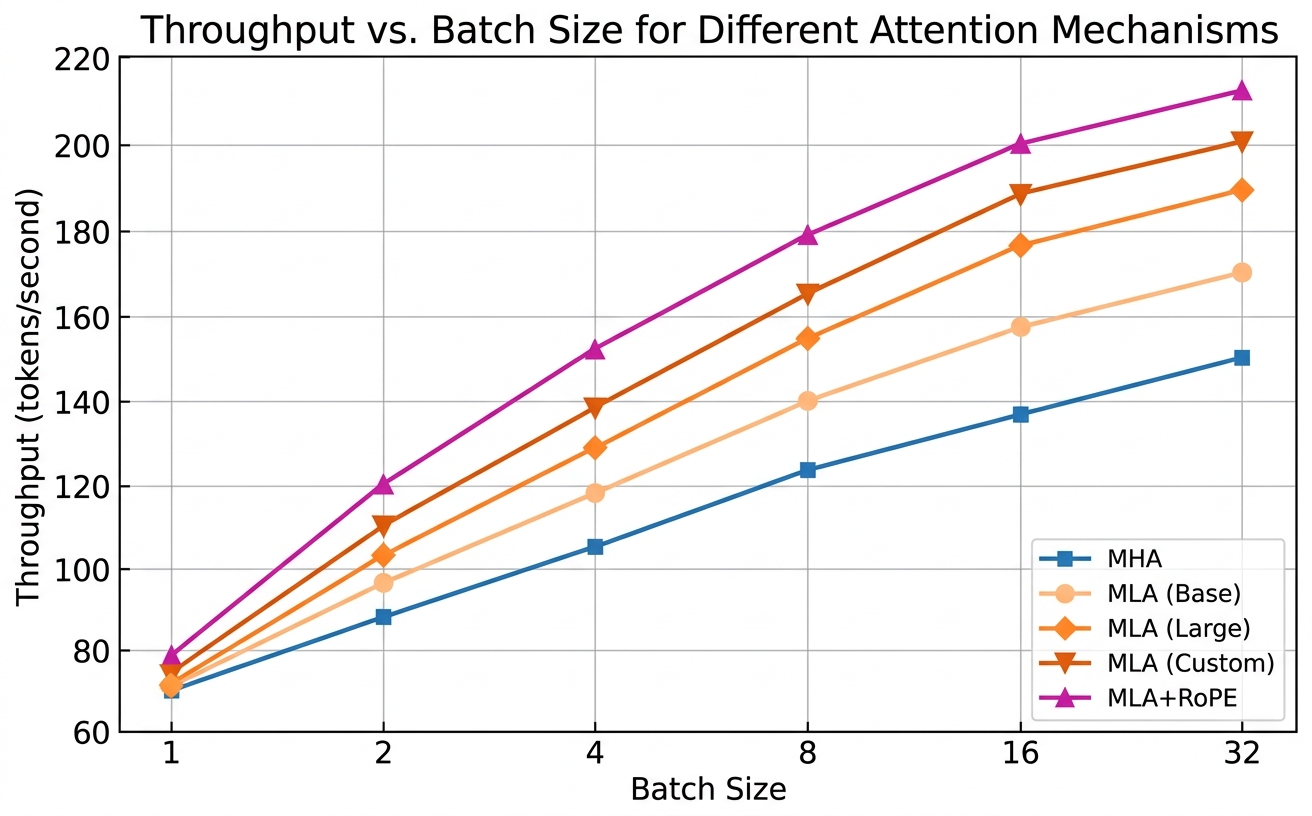
Vizuara AI Labs Research Team
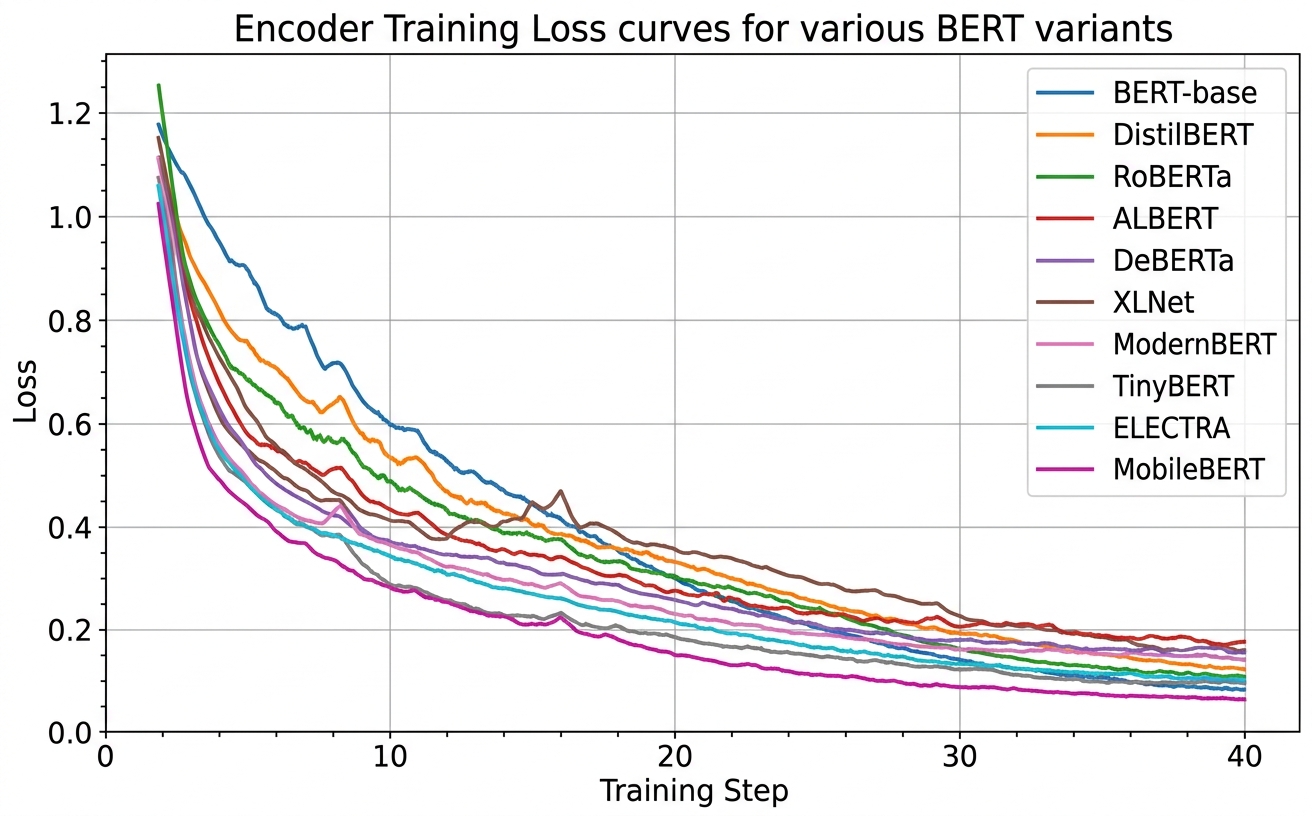
Eli Borodach, Raj Dandekar, Rajat Dandekar, Sreedath Panat
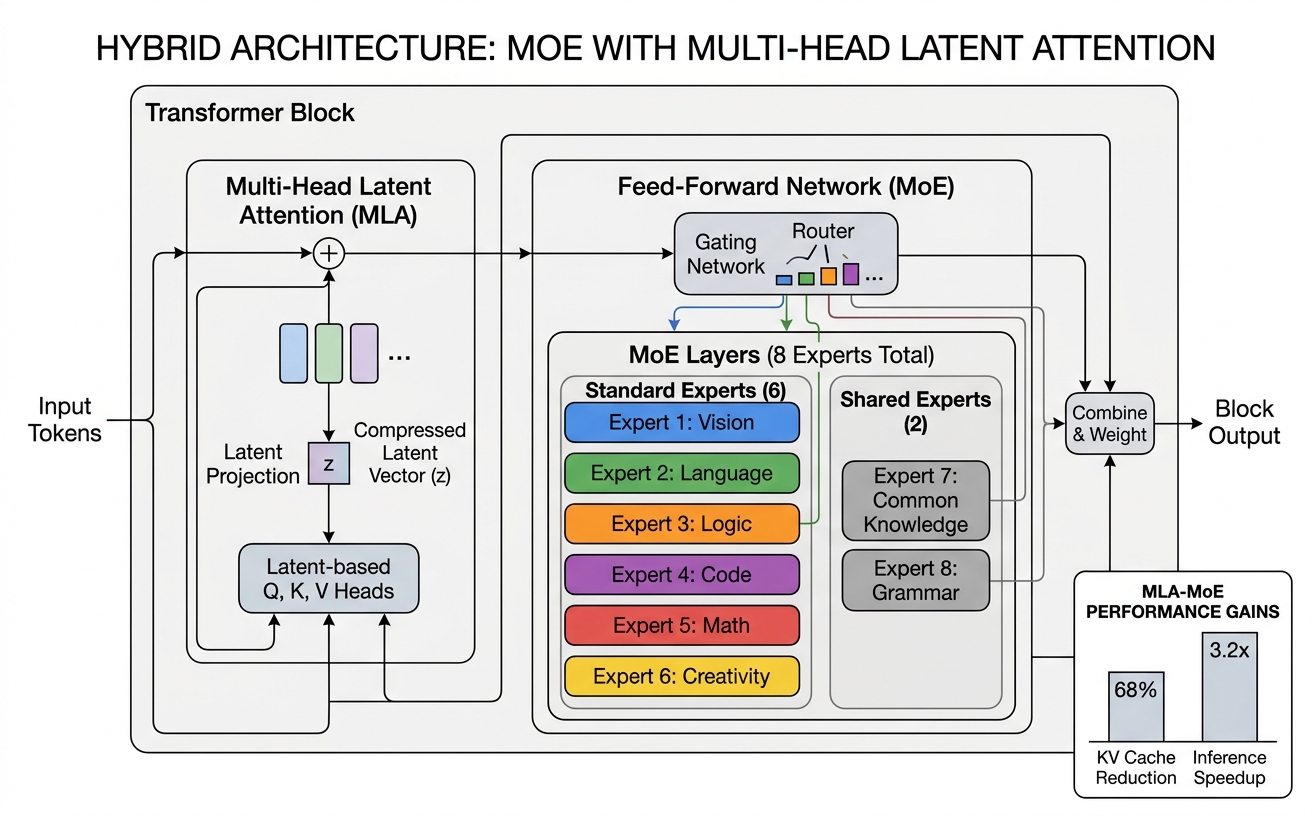
Sushant Mehta, Raj Dandekar, Rajat Dandekar, Sreedath Panat
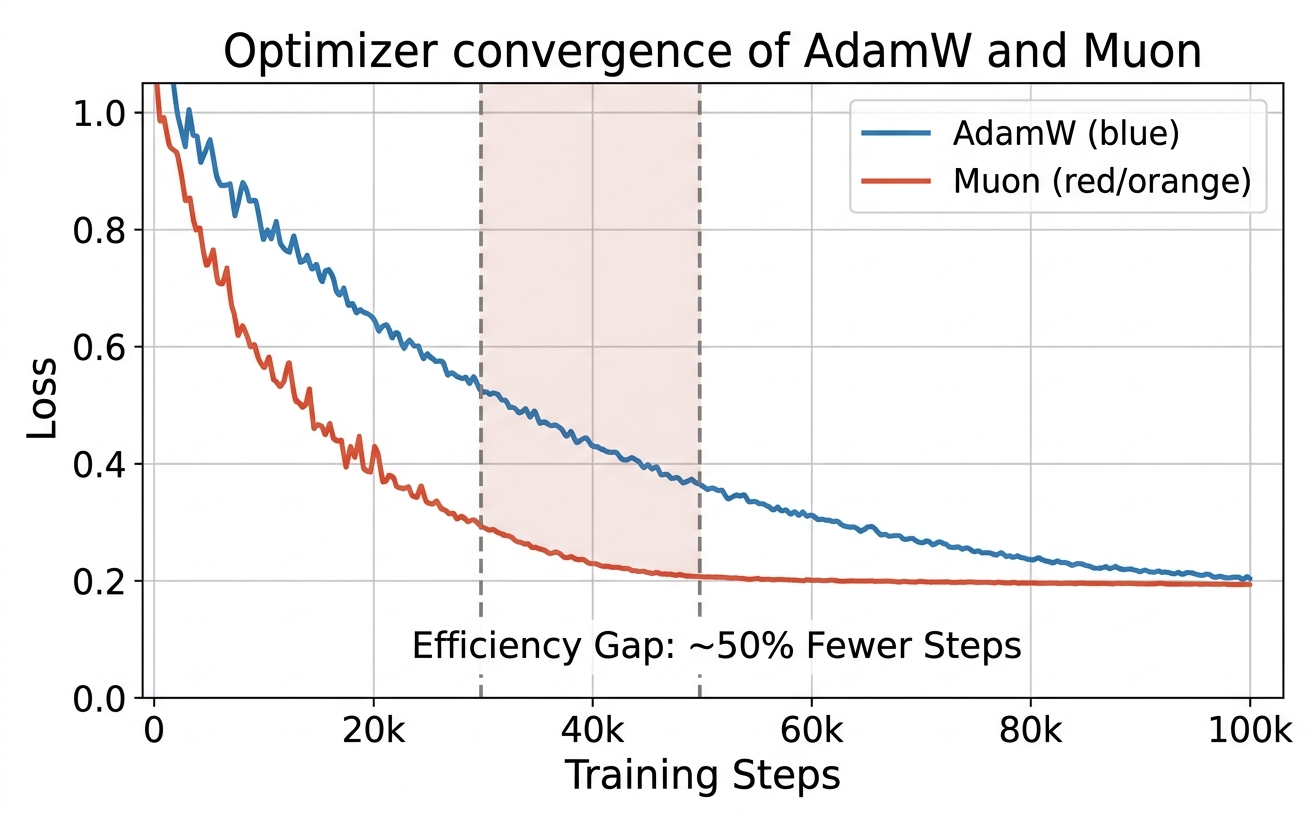
Sushant Mehta, Raj Dandekar, Rajat Dandekar, Sreedath Panat
Milestones, acceptances, and moments shared by Vizuara students and alumni on LinkedIn.
Choose the plan that matches your goals, from self-paced learning to intensive research mentorship with MIT PhDs.
Save 24%. Originally Rs 1,25,000. MIT and Purdue PhDs as your research mentors.
Everything you need to know about the ML-DL Research Bootcamp.
Join hundreds of students and engineers who have built neural networks from scratch and launched ML research careers. Start building every algorithm from the ground up.
Reach out to our team on email for any questions about the bootcamp, curriculum, or application process.
research@vizuara.com
If the email discussion goes well and we find the candidate genuinely interested in research, we also provide a 1-on-1 15-minute talk with our Lead AI Scientist, Prathamesh Joshi.
Prathamesh Joshi
Lead AI Scientist, Vizuara AI Labs
Prathamesh Joshi is a Lead AI Scientist at Vizuara AI Labs, with prior experience at the Max Planck Institute, Germany. His expertise spans Generative AI and Scientific Machine Learning, with a strong publication record across ICLR Workshops, IEEE conferences, and other top venues. He has also mentored students through intensive bootcamps, guiding them toward publications at NeurIPS Workshops, ICLR, JuliaCon, and AAAI Workshops.